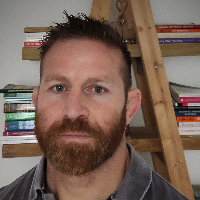
Tracey Lynne Desjardins
Compassionate emotional counselling for practical change
About Tracey
Tracey Lynne Desjardins helps people facing anxiety, grief, addiction and relationship strain. She is based in the United Kingdom and brings four years of counselling experience to her work. Tracey holds NCPS, which she uses alongside therapeutic techniques to support emotional healing.
She writes plainly and works with clients who want practical ways to manage feelings and behaviour. Tracey uses an emotional therapy approach that looks at where painful thoughts began.
Background and approach
She draws on the inner child model to help people see how early experiences shape current choices. Sessions focus on recognising unhelpful patterns and learning different ways to respond. Her background includes work in the criminal justice sector where she supported people with addiction and sexualised behaviours.
Tracey also volunteers with Cruse Bereavement Services and has practical experience supporting loss and mourning. That mix of roles informs how she listens and responds in sessions. Tracey uses a blend of methods, including client-centred work, emotionally-focused therapy, mindfulness, motivational interviewing and psychodynamic ideas.
These approaches are used to help with stress, depression, trauma, issues with self-esteem, and the highly sensitive personality trait often called HSP. In sessions she aims to offer clear, gentle techniques to reduce panic, manage negative thoughts and improve communication. She also supports people dealing with divorce, domestic abuse, chronic illness, caregiving strain and other life changes.
Work with Tracey is practical and person-focused, led by the client’s goals and pace.
What Tracey works with
How Tracey works
Listed by Tracey among the ways they work.
Listed by Tracey among the ways they work.
Listed by Tracey among the ways they work.
Listed by Tracey among the ways they work.
Listed by Tracey among the ways they work.
Listed by Tracey among the ways they work.
Sessions & fees
How Tracey’s Approaches Work Online
Tracey combines emotionally-focused work with client-centred and mindfulness approaches to help people make sense of distressing emotions. Emotionally-focused therapy helps people name and shift strong feelings so they can respond differently in relationships and reduce repeated arguments or withdrawal. Client-centred therapy focuses on being listened to without judgement so the client can set the pace and goals of the work. Mindfulness therapy teaches simple attention and breathing practices that quiet racing thoughts and lessen anxiety.Choosing the right approach is a collaborative process. Tracey will talk with each person about their needs, goals and what feels most useful. Together they decide which blend of methods to try and adjust the plan as work progresses. This means the approach can change if something isn’t helping.
Online sessions can be done by video call, phone, live chat or text-based messaging, offering real flexibility. Video calls let people work face to face when that matters. Phone sessions can be simpler when bandwidth is limited or when someone prefers not to be on camera. Live chat and text messaging are useful for shorter check-ins, ongoing coaching-style support or when writing feels easier than speaking. These options make it possible to fit therapy around work, family and travel.
| Session length | Typically 50 minutes |
|---|---|
| Client ages | Adults, 18 and over |
| Fees | Subscription via BetterHelp, cancel anytime |
| Insurance | Not billed directly |
Questions people ask
What kinds of problems does Tracey help with?
What is her therapeutic style like?
What experience does she bring?
What credentials and location are listed?
Which languages are available and are international clients accepted?
In what formats are sessions offered?
How are sessions billed or priced?
How do I begin working with her?
Areas of focus
What this therapist works with
Most often
- Addictions
- Relationship issues
- Family conflicts
Also listed
- Abandonment
- ADHD
- Aging and geriatric issues
- Anger management
- Antisocial personality
- Attachment issues
- Avoidant personality
- Bipolar disorder
- Blended family issues
- Body image
- Career difficulties
- Caregiver issues and stress
- Chronic pain, illness, and disability
- Coaching
- Codependency
- Commitment issues
- Communication problems
- Compassion fatigue
- Control issues
- Coping with life changes
- Depression
- Divorce and separation
- Domestic violence
- Drug and alcohol addiction
- Eating and food-related issues
- Eating disorders
- Emptiness
- Family of origin issues
- Family problems
- Fatherhood issues
- First responder issues
- Forgiveness
- Grief
- Guilt and shame
- Hoarding
- Immigration issues
- Impulsivity
- Infidelity
- Intimacy-related issues
- Isolation / loneliness
- Jealousy
- LGBT
- Life purpose
- Midlife crisis
- Money and financial issues
- Mood disorders
- Narcissism
- Obsessions, compulsions, and OCD
- Panic disorder and panic attacks
- Paranoia
- Parenting issues
- Personality disorders
- Phobias
- Post-traumatic stress
- Process addiction (porn, exercise, gambling)
- Seasonal Affective Disorder (SAD)
- Self esteem
- Self-harm
- Self-love
- Sex addiction
- Sexuality
- Sleeping disorders
- Social anxiety and phobia
- Stress, Anxiety
- Trauma and abuse
- Veteran and Armed Forces Issues
- Women's issues
- Workplace issues
Therapeutic approaches
- Experience
- 4 years
- Registered with
- NCPS
- Languages
- English