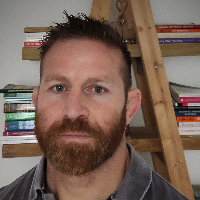
Rhea Pearse
Compassionate support for trauma and emotional healing
About Rhea
Rhea Pearse offers calm, practical support for people feeling overwhelmed by trauma, anxiety, depression or relationship strain. She aims to help each person feel understood and to work towards clearer, achievable goals. Rhea writes plainly and listens closely so people can talk about what matters to them.
Rhea has 12 years of professional experience in the United Kingdom and holds BACP accreditation. She has also worked as a counselling supervisor and managed a team of therapists.
Background and approach
That background informs her steady, organised approach in sessions. She adapts her work to each person’s needs. Sessions focus on clear steps and conversations that slowly rebuild confidence and coping.
Rhea helps people name their priorities and try out small changes between meetings. Much of her practice centres on trauma and abuse, including sexual assault and domestic violence. She also supports people dealing with attachment wounds, abandonment, post-traumatic stress, guilt, shame and the emotional fallout of life changes.
Rhea uses client-centred methods alongside solution-focused and trauma-focused ways of working. That mix allows space for listening, while also finding practical strategies to reduce distress. She aims to make therapy feel manageable and relevant to everyday life.
What Rhea works with
How Rhea works
Listed by Rhea among the ways they work.
Listed by Rhea among the ways they work.
Listed by Rhea among the ways they work.
Sessions & fees
How her approaches translate to online therapy
Client-Centred Therapy places the person's experience at the heart of the work. The therapist offers attentive listening, accepts the person's feelings, and follows their pace to build trust and clarity. This approach helps when someone needs time to make sense of difficult feelings.Solution-Focused Therapy concentrates on small, practical steps and clear goals. Sessions often identify what is already working and look for simple changes to try between meetings. This can be useful when people want focused short-term help to reduce stress or move past a stuck point.
Finding the right approach is usually a shared process. The therapist will talk with the client about what feels most helpful and adapt methods to fit their needs and preferences. Together they set goals and review which ways of working are most effective.
Online therapy makes these approaches accessible through different formats. Video calls allow face-to-face conversation and non-verbal feedback. Phone sessions are useful when bandwidth is limited or a quieter, no-camera check-in is preferred. Live chat and text-based messaging suit shorter check-ins, quick reflections between sessions, or people who find typing easier. These options offer flexibility to fit therapy around work, family life and other commitments.
| Session length | Typically 50 minutes |
|---|---|
| Client ages | Adults, 18 and over |
| Fees | Subscription via BetterHelp, cancel anytime |
| Insurance | Not billed directly |
Questions people ask
What kinds of issues does she help with?
How would you describe her therapeutic style?
How much experience does she have?
What are her credentials and where is she based?
Can I work with her if I live outside the UK?
What session formats are available?
How much do sessions cost?
How do I begin working with her?
Areas of focus
What this therapist works with
Most often
Also listed
Therapeutic approaches
- Experience
- 12 years
- Registered with
- BACP
- Languages
- English